
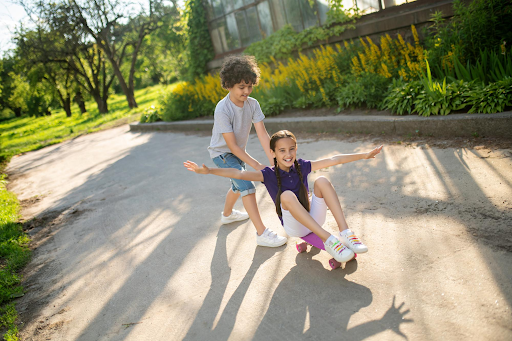

Getting kids away from screens and into active, hands-on play is one of the best things you can do for their health, mood and development. The good news is that it does not take expensive gadgets or elaborate plans. It takes a few good ideas and a little encouragement. One of the easiest ways to start is to get them moving on two wheels, and it is simple to find balance bikes in Australia for kids that suit even the youngest riders and build confidence from an early age.
Below are some of the most reliable ways to keep children active and engaged, whether you have a backyard, a nearby park or just a rainy afternoon to fill. Mix and match them to suit your family, and let your kids help choose what sounds fun.
1. Get them riding
Few activities beat riding for building coordination, balance, and pure enjoyment. Balance bikes are a brilliant starting point for toddlers and preschoolers, teaching them to balance and steer before they ever need pedals or training wheels.
As they grow, scooters and pedal bikes keep the momentum going. Riding gets kids outdoors, burns energy, and gives them a real sense of achievement as their skills improve. A short ride to the park or around the block can quickly become a favourite part of the day.
2. Build a backyard obstacle course
You do not need fancy equipment to create hours of active fun. A backyard obstacle course made from cushions, hula hoops, cones, ropes, and boxes challenges kids to jump, crawl, balance, and climb.
Let them help design it, then time each other or invent new rules. The beauty of an obstacle course is that it can be rebuilt endlessly, so it never feels the same twice. It also works indoors on wet days with a bit of imagination.
3. Explore nature and go on adventures
Children are natural explorers, and the outdoors is the best playground there is. A walk in the bush, a trip to the beach or a simple scavenger hunt in the local park turns fresh air into an adventure.
Give them a small mission, like collecting different leaves, spotting birds or finding the biggest gumnut, and an ordinary walk becomes an expedition. Time in nature is calming as well as active, and it builds curiosity about the world around them.
4. Bring home a family pet

(Source)
Few things get children moving and connecting quite like a family dog. A friendly, playful pet encourages daily walks, backyard games and outdoor time, all while teaching kids responsibility, empathy and routine.
If your family is ready for the commitment, a gentle, people-loving breed is worth considering. Cavoodles are a popular choice for households with children thanks to their affectionate, sociable nature and low-shedding coats, and you can browse toy cavoodle puppies for sale to find a companion suited to an active family. Just remember a pet is a long-term commitment, so involve the whole family in the decision and be honest about the daily care involved.
5. Encourage imaginative and creative play
Active play is not only physical. Imaginative play keeps young minds engaged and often gets bodies moving too. Building a cubby house, staging a puppet show, dressing up or creating a pretend shop draws kids into worlds they invent themselves.
Set out some simple props, a few cardboard boxes, old clothes, blankets and craft supplies, then step back and let their imaginations lead. This kind of open-ended play builds creativity, language, and problem-solving, and it can keep children absorbed far longer than any screen.
6. Try a sport or go swimming
Organised or casual, sport is a fantastic way to keep kids active while building teamwork and confidence. You do not need to commit to a full season to get the benefits. A backyard game of cricket, a kick of the footy, or a family game of soccer at the park all count.
Swimming deserves a special mention in Australia, where water is part of life. Beyond being a wonderful exercise, it is an essential safety skill, so regular time in the pool or at the beach pays off in more ways than one.
Team sports add another layer of value, teaching kids to cooperate, take turns, and cope with both winning and losing. Whether it is a local junior club or a casual game with neighbours, the social side of sport is often just as valuable as the physical activity itself.
7. Get them into the garden
Gardening might not sound like an active pursuit, but for kids, it involves plenty of digging, carrying, watering, and running about. Give children their own small patch or a few pots, and let them plant seeds they can watch grow.
The payoff is patience and pride, especially when they harvest something they can eat. Gardening connects kids to where food comes from, gets them outside, and gives them a satisfying, hands-on project that unfolds over weeks.
8. Keep active games ready for rainy days
Australian weather does not always cooperate, so it helps to have indoor options that still burn energy. Classic games like musical statues, hide and seek, indoor bowling with plastic bottles or a living-room dance party keep kids moving when they are stuck inside.
A little creativity turns any room into a play space. Balloon volleyball, a homemade fort or a simple yoga session for kids can transform a grey afternoon and keep everyone in good spirits until the sun comes back out.
Tips for making active play a habit
Ideas are easy, but consistency is what makes the difference. A few small habits help active play become a natural part of everyday life rather than a one-off.
Lead by example, since children are far more likely to be active when they see the adults around them moving too. Keep it fun rather than forced, and follow your child’s interests, because a kid who loves animals will happily walk a dog while another might prefer building or riding. Finally, keep gear and props easy to reach, so the barrier to starting is low. When a bike, a ball, or a box of craft supplies is right there, active play tends to happen on its own.
It also helps to set gentle limits on screens without making them the enemy. When screen time has a clear endpoint, kids are far more open to the alternatives, especially when those alternatives are genuinely fun.
The bottom line
Keeping kids active and engaged does not require a big budget or a packed schedule. It comes down to offering a variety of fun options and making them easy to say yes to. From riding and backyard obstacle courses to caring for a family pet, exploring nature and creative play, there are countless ways to get children moving and away from screens.
Start with one or two ideas that suit your family, build them into your routine, and let your kids help lead the way. The goal is not perfection but momentum, a home where active, screen-free play is simply part of how the days unfold. Do that, and you will raise children who are healthier, happier, and more engaged with the world around them.
Feature Image (Source)


