
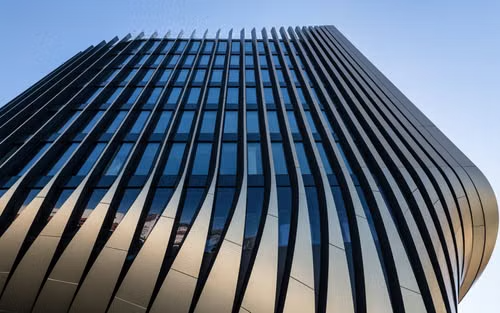

Modern architecture is moving beyond simple structures and focusing on spaces that balance aesthetics, functionality, sustainability, and privacy. One design element that has gained significant attention in contemporary building projects is aluminium batten screening. These architectural features create a perfect combination of visual appeal and practical performance, allowing designers and homeowners to enhance façades, outdoor areas, and interior spaces with clean lines and modern character.
Aluminium batten screening has become a popular solution for architects, builders, and homeowners who want to introduce texture, improve privacy, control sunlight, and create a distinctive architectural identity. Unlike traditional materials, aluminium offers durability, low maintenance, and design flexibility, making it suitable for residential and commercial applications.
What Is Aluminium Batten Screening and Why Is It Used in Modern Architecture?
Aluminium batten screening is a system of vertical or horizontal aluminium profiles installed together to create a stylish architectural screen. These battens are designed to provide separation, shade, privacy, and decorative appeal while maintaining airflow and natural light.
In contemporary architecture, aluminium batten screens are used to improve both the appearance and performance of buildings. They can be installed on:
- External building façades
- Balconies and terraces
- Outdoor entertainment areas
- Garden boundaries
- Privacy zones
- Commercial buildings
The popularity of aluminium batten systems comes from their ability to create a modern architectural look while solving practical design challenges.
How Aluminium Battens Enhance the Appearance of Contemporary Buildings
Contemporary architecture often focuses on minimalism, clean lines, and seamless integration between indoor and outdoor spaces. Aluminium battens support this design approach by adding depth, texture, and visual interest to otherwise plain surfaces.
Architects use batten systems to create unique façade designs by adjusting:
- Batten spacing
- Profile sizes
- Installation direction
- Colours and finishes
For example, vertical aluminium battens can create a sense of height and elegance, while horizontal battens can provide a wider and more structured appearance.
This flexibility allows aluminium screening systems to complement various architectural styles, from modern residential homes to commercial developments.
Why Aluminium Batten Screening Is a Practical Choice for Outdoor Spaces
One of the main reasons aluminium batten screening is widely used in outdoor architecture is its ability to perform well in different environmental conditions.
Aluminium is naturally resistant to corrosion, making it suitable for outdoor applications where materials are exposed to sunlight, moisture, and changing weather conditions.
Key practical benefits include:
- Long-lasting performance
- Minimal maintenance requirements
- Resistance to rust and deterioration
- Lightweight construction
- Easy design customisation
For homeowners, this means an attractive outdoor feature that continues to perform without requiring frequent repairs or upkeep.
How Aluminium Batten Screens Improve Privacy Without Blocking Natural Light
Privacy is an important consideration in modern homes, especially in urban areas where properties are often close together. Aluminium batten screening provides a solution by reducing visibility while maintaining an open and comfortable atmosphere.
Unlike solid walls or fences, batten screens allow controlled airflow and filtered light to pass through. This creates privacy without making outdoor spaces feel closed or restricted.
Common residential applications include:
- Balcony privacy screens
- Poolside screening
- Patio partitions
- Backyard boundary features
- Outdoor living areas
The spacing between aluminium battens can be customised depending on the desired balance between privacy, ventilation, and sunlight.
What Role Do Aluminium Battens Play in Sustainable Architectural Design?
Sustainability has become a major focus in contemporary architecture, and aluminium battens contribute to energy-efficient building designs.
By controlling sunlight exposure, batten screens can help reduce heat gain inside buildings. This can improve indoor comfort and potentially reduce reliance on cooling systems.
Aluminium is also a highly recyclable material, making it a preferred choice for projects focused on environmentally responsible construction.
Sustainable advantages include:
- Improved solar control
- Reduced energy consumption
- Long product lifespan
- Recyclable material properties
These benefits make aluminium batten systems a valuable element in modern sustainable architecture.
How Aluminium Batten Screening Creates Flexible Design Solutions
A major advantage of aluminium batten systems is their adaptability. They can be customised to suit different architectural requirements, whether the goal is privacy, decoration, shading, or visual separation.
Designers can use aluminium battens to create:
- Feature walls
- Decorative façades
- Modern fencing solutions
- Outdoor room dividers
- Architectural statement pieces
Because aluminium profiles are available in various finishes and configurations, they can be designed to match existing buildings or create a completely new visual identity.
Why Architects and Homeowners Choose Aluminium Battens Over Traditional Materials
Traditional materials such as timber have been used for screening purposes for many years, but aluminium offers advantages that make it more suitable for many modern projects.
Compared with natural materials, aluminium generally requires less maintenance and provides better resistance against environmental factors.
Aluminium battens are preferred because they offer:
- Modern appearance
- Greater durability
- Consistent finish
- Design versatility
- Lower maintenance needs
This combination of style and performance has made aluminium screening a popular feature in contemporary architecture.
How Aluminium Batten Screening Can Transform Residential and Commercial Projects
The use of aluminium batten screening extends across various building types. In residential projects, it enhances outdoor living spaces and improves privacy. In commercial architecture, it can create impressive façades and functional design elements.
Examples of applications include:
- Modern homes using battens as exterior features
- Office buildings incorporating aluminium façades
- Restaurants creating stylish outdoor spaces
- Apartment developments improving balcony privacy
The ability to combine beauty and functionality makes aluminium batten systems suitable for a wide range of architectural projects.
Why Aluminium Batten Screening Will Continue to Shape Future Architecture
As contemporary architecture continues to prioritise smart design, durability, and sustainable solutions, aluminium batten screening will remain an important architectural feature. It provides a practical way to improve privacy, manage sunlight, and create visually appealing structures.
The role of aluminium battens goes beyond decoration. They represent a modern approach to architectural design where performance and aesthetics work together. For homeowners, designers, and builders looking for a flexible and durable screening solution, aluminium batten systems offer a long-term investment that enhances both form and function.
Feature Image – Source


