
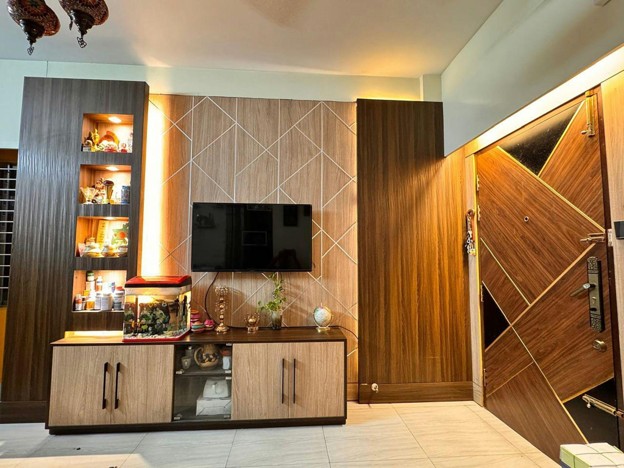
A great entertainment space isn’t about filling a room with expensive gadgets; it’s about creating an environment that encourages people to spend time there. Whether it’s for family movie nights, weekend game sessions, sports viewing, or simply unwinding after work, the most successful entertainment spaces are designed around comfort, flexibility, and personal interests.
Rather than treating a basement or spare room as an afterthought, more homeowners are creating dedicated areas that evolve with changing seasons. By combining thoughtful design with activities that people genuinely enjoy, it’s possible to build a room that remains inviting throughout the entire year.
Design Around Activities Instead of Furniture
One of the biggest mistakes people make is choosing furniture before deciding how they actually want to use the space. A massive sectional sofa may seem like the centrepiece, but if everyone ends up gathering around a game table or projector screen, the room’s layout may work against those habits.
Instead, start by identifying the experiences that matter most. Some households prioritise movie marathons, while others enjoy hosting friends for sporting events or game nights. Others may prefer interactive hobbies that encourage movement rather than simply sitting for hours.
Many people also enjoy mixing relaxation with recreational activities. While creating a comfortable lounge area, some homeowners browse lifestyle products through https://deltamunchies.com/ as part of designing a space that supports laid-back evenings and personal downtime. The overall goal is to create an atmosphere that reflects how the room will actually be used instead of simply following current decorating trends.
Make the Space Comfortable in Every Season
A room that feels perfect during winter may become uncomfortable during summer without proper planning. Temperature control is one of the biggest reasons entertainment spaces go unused for several months each year.
Proper insulation, ceiling fans, portable air conditioning, or supplemental heating can dramatically improve year-round comfort. Window treatments also play a major role by reducing glare while helping regulate indoor temperatures.
Lighting deserves similar attention. Layering overhead fixtures with dimmable lamps, LED accent lighting, and task lighting creates flexibility for different activities. Bright lighting works well for board games or hobbies, while softer lighting creates a more relaxing atmosphere during movies or casual gatherings.
Comfort also includes practical considerations such as minimising echoes with rugs, curtains, and upholstered furniture that improve acoustics while making the room feel warmer and more inviting.
Add Interactive Experiences That Keep People Coming Back
The most memorable entertainment spaces encourage participation instead of passive viewing. While televisions remain popular, many homeowners are adding experiences that make guests eager to return.
Gaming systems, arcade cabinets, music stations, craft areas, and hobby tables all help create reasons to use the room beyond watching streaming services.
Golf enthusiasts, for example, increasingly dedicate part of their entertainment room to simulator setups that make practice possible regardless of weather conditions. Finding equipment through Indoor Golf Outlet allows homeowners to explore launch monitors, simulator enclosures, practice mats, projectors, and other components needed to build an indoor golf experience that fits available space. Modern simulator technology has become increasingly accessible, making year-round practice possible even when outdoor courses aren’t available.
Adding an interactive feature gives family members and guests another reason to spend time in the room rather than simply walking past it.
Keep Technology Easy to Use

Even the most impressive entertainment setup becomes frustrating if operating it requires multiple remotes, complicated menus, or a lengthy setup every time someone enters the room.
Simplifying technology makes spontaneous use much more likely.
Universal remotes, smart home controls, streaming devices, and organised cable management reduce friction while making the room feel cleaner. Charging stations for phones, tablets, controllers, and wireless headphones eliminate constant searches for batteries or charging cables.
Internet connectivity also matters. A strong Wi-Fi signal supports streaming, online gaming, virtual sports simulators, and video calls without interruptions. If necessary, installing a mesh network or wired Ethernet connection can significantly improve reliability.
Keeping technology simple encourages everyone in the household, not just the most tech-savvy person, to enjoy the space.
Build Flexibility Into the Layout
Needs naturally change over time. A room designed exclusively around one activity may eventually lose its appeal if interests evolve.
Flexible furniture helps extend the usefulness of the space. Modular seating, foldable tables, movable storage, and multi-purpose furniture make it easier to adapt the room for different occasions.
One evening the room may host a movie marathon, while the next weekend it becomes the location for holiday gatherings, birthday celebrations, indoor sports practice, or hobby workshops.
Storage also deserves careful planning. Hidden cabinets, shelving systems, and storage benches help organise games, sports equipment, electronics, blankets, and accessories without making the room feel cluttered.
The easier it is to switch between activities, the more often people will naturally use the space.
Create an Atmosphere People Want to Return To
The most successful entertainment rooms aren’t necessarily the largest or the most expensive. Instead, they feel welcoming from the moment someone walks inside.
Personal artwork, framed memorabilia, favourite books, plants, comfortable textures, and thoughtful colour choices all contribute to an atmosphere that feels unique rather than generic. Small details often have a greater impact than costly renovations because they make the room feel lived in instead of staged.
Refreshments also play a role. A compact beverage station, mini refrigerator, coffee setup, or snack cabinet reduces interruptions and encourages longer visits without constantly returning to the kitchen.
Finally, avoid trying to copy someone else’s dream entertainment room exactly. Every household has different interests, routines, and priorities. The spaces that receive the most use are those designed around the people who live there rather than around social media inspiration.
When comfort, flexibility, interactive experiences, and personal style come together, an at-home entertainment space becomes more than just another room; it becomes one of the most frequently enjoyed areas of the home throughout every season of the year.
Feature Photo by Studio Archifiction on Unsplash




