
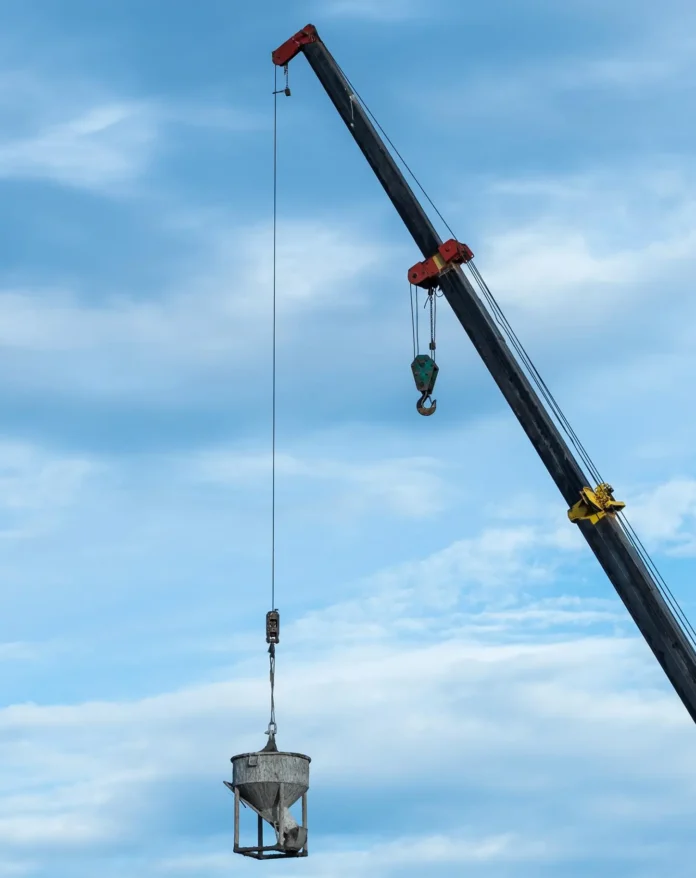

Construction projects rely on many skilled workers to keep operations running safely and efficiently. Among them, doggers play an important role in managing lifting activities and supporting crane operations. While crane operators control the machinery, doggers help prepare loads, communicate movements, and make sure materials are lifted and moved safely.
For people considering a hands-on career in construction, becoming a certified dogger can open opportunities across different industries. From building sites and infrastructure projects to industrial workplaces, trained doggers are needed wherever lifting operations take place.
Understanding the role, required skills, training pathway, and career options can help anyone decide if this career direction suits their goals.
What Does a Dogger Do?
A dogger is a trained worker responsible for assisting with lifting operations involving cranes and other lifting equipment. Their role is not simply about attaching loads; it requires planning, communication, and a strong understanding of workplace safety.
During a typical lift, a dogger may inspect lifting gear, select suitable equipment, attach slings or chains, guide the load, and communicate with the crane operator using recognised signals.
In many situations, the crane operator does not have a complete view of the load or surrounding area. The dogger provides guidance from the ground, helping the operator move materials safely while reducing risks on site.
Doggers work across various industries, including construction, civil projects, manufacturing, mining, and large-scale infrastructure developments.
How to Become a Certified Dogger in Australia
For those searching for how to become a dogger in Australia, the process starts with completing appropriate industry training and gaining practical knowledge of lifting operations.
A qualified dogger needs to understand different types of lifting equipment, safe load handling methods, workplace procedures, and communication techniques. Training ensures workers understand their responsibilities before stepping onto an active construction site.
The CPCClDG3001 Dogging Course helps participants develop the practical skills and knowledge required to perform dogging tasks safely. The training covers important areas such as lifting equipment selection, load control, safety requirements, and effective communication during crane operations.
In Australia, workers often refer to this qualification as obtaining a Dogman Licence, which demonstrates that they have completed recognised dogging training and are prepared to work safely in lifting environments.
Skills Needed to Work as a Dogger
A successful dogger needs more than physical strength. The role requires awareness, accuracy, and the ability to make safe decisions under changing site conditions.
Some important skills include:
- Understanding different lifting equipment and accessories
- Checking equipment before use
- Communicating clearly with crane operators and site teams
- Identifying potential hazards
- Following workplace safety procedures
- Understanding load weight, balance, and movement
Attention to detail is especially important because even a small mistake during a lifting operation can create serious safety concerns.
Why Construction Safety Training Matters
Safety is a major priority in every construction environment. Lifting heavy materials involves risks, which is why trained workers are essential for maintaining safe operations.
Knowledge of crane safety procedures Australia helps doggers understand how to manage hazards, follow correct lifting practices, and work effectively with other site personnel.
Completing a construction safety training course can also improve a worker’s overall understanding of workplace responsibilities. This knowledge is useful when moving between different construction sites, where safety expectations may vary.
Training Options and Career Growth
Choosing the right training provider is an important step for anyone looking to enter this field. A certified dogging training in Australia program gives workers the foundation needed to develop confidence and practical skills for real workplace situations.
For people based in Victoria, completing a dogging course Melbourne can be a practical option for gaining industry-relevant training. Other construction courses Dandenong and nearby areas can also help workers build additional qualifications and improve their employment opportunities.
With experience, many doggers continue developing their skills and move into related areas such as rigging, crane operations, or specialised construction roles.
Career Opportunities After Completing Dogging Training
A dogging qualification can lead to opportunities across residential construction, commercial developments, civil infrastructure, manufacturing facilities, and industrial projects.
The career opportunities after completing dogging training depend on experience, location, and additional skills gained over time. Employers often look for workers who combine technical knowledge with strong safety awareness and reliability.
For people who enjoy practical work, teamwork, and being involved in major construction projects, becoming a certified dogger can be a strong career pathway. It is a role built on trust, where careful decisions and clear communication help keep every lifting operation safe.


