


For Irem Bekter, music has never followed a straight line. Born in Istanbul, shaped by years in England and Argentina, and now creating in Montréal, her artistic journey has unfolded across languages, disciplines, and cultures — from theatre and dance to film and music. That layered experience pulses through her work, where rhythm, storytelling, and cinematic textures collide in songs that resist easy categorisation.
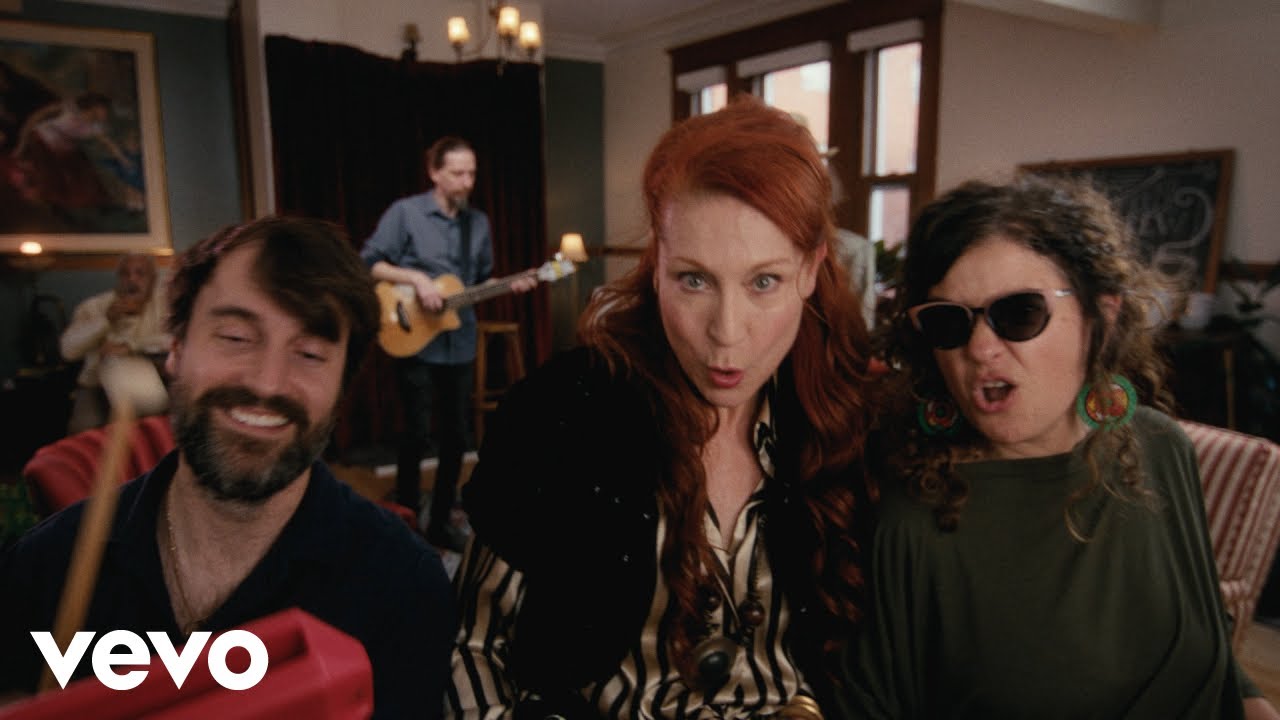
Her latest track, “Miscommunication (Lost In Transmission),” captures that spirit with playful chaos and theatrical energy, exploring the absurdity of human connection in a world overflowing with noise. Drawing from a rich network of collaborators and a deeply physical approach to rhythm and composition, Bekter creates music that feels both globally influenced and intensely personal.
In this conversation, Bekter reflects on reinvention, creative trust, multilingual songwriting, and the winding road that led her toward her first album of entirely original work.
You’ve described your career as a “winding road”—what were some of the most unexpected turns that ended up shaping your sound?
Many of the unexpected turns in my life came from moving between cultures and having to reinvent myself more than once. I grew up in Istanbul, studied performing arts in England, spent twenty years in Argentina working in theatre, dance, film, and music, and then moved to Québec to begin again in a completely new language and artistic environment. None of that followed a planned musical “career path,” but each place left a deep imprint on the way I hear rhythm, melody, and storytelling.
When you think back to your early musical beginnings, what feels most distant from who you are now—and what still feels exactly the same?
What feels most distant is that I was still expressing myself in fragments, almost like different parts of me belonged to different places or artistic worlds. Over time, all those experiences – theatre, dance, different countries, languages, rhythms, and ways of living – slowly began coming together more naturally in the music. What still feels exactly the same is the need to communicate something honest and deeply human. Even at the beginning, before I fully understood my own voice, there was already that desire for connection, emotion, rhythm, and storytelling. That part has never changed.
How do you approach songwriting when your influences span multiple continents and traditions?
I don’t really approach songwriting by thinking about continents, traditions, or styles consciously. The influences are simply part of who I am and how I hear the world after living in different places for so long. A rhythm, an image, a phrase, a movement, or even the sound of a language can become the starting point. Sometimes a song begins while I’m walking, drumming, moving, or improvising vocally long before I sit at the piano. What interests me most is finding an emotional truth inside the song. The different influences naturally find their place around that. Over time, I stopped worrying about fitting into one category. The songs themselves seem to decide what they need.
Do you ever feel pressure to “explain” your multicultural sound to listeners, or do you prefer letting it speak for itself?
I think there’s always a certain pressure to explain music that doesn’t fit easily into one category, especially when it moves between languages, cultures, and influences. People often want a simple label. But music rarely grows in a straight line, especially after living across different countries and artistic worlds. So, I prefer letting the music speak for itself as much as possible. I’m less interested in presenting something “multicultural” as a concept than in creating something honest that naturally reflects the life I’ve lived.
What emotional space were you in when writing “Miscommunication (Lost In Transmission)”?
I was actually in a very playful and mischievous space while writing it. The song appeared while I was playing with the drum machine. The rhythm naturally pushed it toward something theatrical, exaggerated, and fun, and there was a lot of laughter in the writing and recording process. The feeling behind the song was definitely playful and not serious at all.
The idea of people “talking past each other” is central to the track—do you see that as a modern condition or a timeless human issue?
I think it’s probably timeless. Humans have always misunderstood each other. What may be more modern is the speed and noise around us now, which can make communication even more chaotic and fragmented. But the core of it, wanting to connect and somehow missing each other anyway, feels very human and very old to me. That said, I didn’t approach the song in a heavy way. I was much more interested in the humour, rhythm, and absurdity of those situations than in making a serious statement about society.
How do you choose which collaborators to bring into a track, especially when working with such a large ensemble?
The core ensemble is actually five musicians including myself. so there’s already a strong musical connection at the centre of the project. When I bring in guest artists, it’s usually because I hear a certain sound or energy that feels right for the song. For “Miscommunication,” I imagined an electric guitar that could go somewhere unexpected and playful, and Yves Desrosiers was perfect for that. Akawui came in because I wanted a fresh and different rap presence that would fit the fun, absurd spirit of the track.
What does trust look like in a studio setting when so many creative voices are involved?
For me, trust in the studio comes from listening. really listening, and leaving space for people to bring their own personality into the music. Even when there are many creative voices involved, everyone has to feel free enough to try things, take risks, suggest ideas, and sometimes even be a little ridiculous. At the same time, there needs to be a shared feeling around the song itself. Once everyone understands the emotional world or spirit of a piece, the collaboration becomes much more natural. The best moments often come from surprise.
How do rhythm and percussion function in your work—are they structural, emotional, or narrative tools for you?
Rhythm and percussion are very central to the way I create. They’re not just something added afterward; they often become the starting point of a song. Sometimes I begin by drumming, walking, moving, clapping, or improvising vocally before there are even lyrics or chords. For me, rhythm is structural, emotional, and physical at the same time. It creates movement inside the song, but it also carries emotion and tension. Because of my background in dance and theatre, I experience rhythm very much through the body.
Your music often blends cinematic textures—do you think visually when composing?
Yes, very much. I often see images, atmospheres, movement, or even entire scenes while composing. Sometimes a song feels almost like a small film unfolding emotionally and rhythmically. Like in “Spinning Out Of Control”. My background in theatre and dance probably plays a big role in that. I’m very sensitive to space, tension, movement, and visual atmosphere, so those elements naturally enter the music. Even the way instruments appear or disappear in a song can feel a bit like characters entering a scene.
How do you maintain coherence across an album that spans so many genres and languages?
For me, the coherence comes less from genre or language and more from the emotional world of the album and the way the songs were created. Even if the influences shift, there’s still the same voice, the same sensibility, the same way of approaching rhythm, storytelling, and atmosphere running through everything. I also think the album follows a kind of emotional journey; through displacement, transformation, memory, humour, love, and resilience, so the songs speak to each other naturally. The different languages and musical influences feel like part of the same landscape rather than separate worlds.
What role does Montréal play in your music now compared to earlier phases of your life?
Montréal has played a very important role in my music because it brought together some of the most amazing musicians I’ve worked with. It’s a city where many cultures, languages, and musical influences coexist very naturally, and you really feel that openness in the artistic community. Compared to earlier phases of my life, Montréal gave me a space where different parts of my background could finally exist together more freely. In the musical world here, people share influences, traditions, languages, and ideas very organically, and that has deeply shaped the way I create and collaborate today.
Have there been moments where miscommunication in real life directly inspired musical ideas?
Absolutely. Living between different languages and cultures, misunderstandings become part of daily life sooner or later! Sometimes they can be frustrating, but they can also be funny, surreal, and unexpectedly revealing. I think those moments sharpen your ear in a way. You start noticing tone, rhythm, body language, silence, and all the things happening underneath words. That definitely feeds the music and sometimes even becomes material for songs.
What do you hope listeners misunderstand—or reinterpret—about your work in interesting ways?
More than anything, I hope listeners enter the musical world of the album and make their own journey through it. This is my first album composed entirely of original works, so it feels very personal in that sense. I like when people connect to the songs in their own way and discover meanings, emotions, or images that maybe I didn’t even consciously place there. I think music becomes richer when there’s space for listeners to imagine and reinterpret things for themselves.
Looking ahead, where does The Winding Road lead you next creatively?
This Winding Road feels less like an arrival point than the beginning of a new chapter creatively. Since it’s my first album of entirely original songs, it opened something for me; a stronger sense of freedom and confidence in my own musical language. Looking ahead, I’d love to develop more international collaborations with artists from the different places I’ve lived – Turkey, Argentina, England, and Québec. Those experiences continue to shape the way I create music today.
Connect with Irem Bekter: Instagram, Facebook, BandCamp, YouTube, Spotify, Website




