

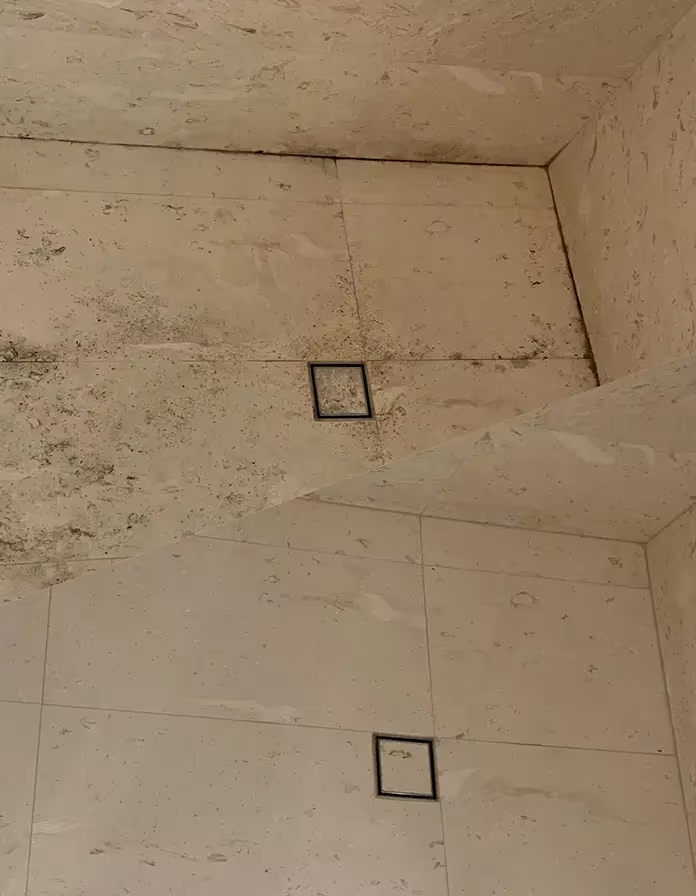

Scratched marble does not always need to be replaced. Professional restoration can completely remove scratches while restoring the surface’s original appearance. Through specialised restoration techniques, scratched marble can be refinished to achieve a smooth, consistent and renewed surface.
Professional stone restoration can address a range of marble surface problems, including scratches, dull areas, etching and signs of everyday wear. Instead of removing an otherwise usable marble surface, restoration focuses on treating the damaged areas and improving the condition of the existing stone.
Whether you have marble flooring, benchtops, walls, or other surfaces, understanding what can be restored can help you avoid unnecessary replacement costs.
Can Scratched Marble Be Restored?
Yes, scratched marble can be completely restored without replacing the existing surface. Professional restoration techniques are designed to remove scratches from the marble and restore a smooth, consistent finish. Marble is a natural stone that can be professionally honed, polished, and refinished to address many common forms of surface damage.
The restoration process is selected according to the condition of the marble. Honing, grinding and polishing techniques can be used to completely remove scratches and progressively restore the surface to the required finish.
The condition, type and existing finish of the marble will determine the restoration techniques required to achieve the desired result.
A professional assessment is therefore important before deciding whether restoration or replacement is appropriate.
What Causes Scratches on Marble?
Marble can develop scratches through normal use, even when it has been properly installed and maintained. Because marble is relatively softer than many other natural stones, abrasive materials can affect its surface over time.
Common causes include:
- Grit and dirt being walked across marble floors
- Dragging furniture or heavy objects across the surface
- Using abrasive cleaning pads or unsuitable products
- Placing rough or gritty objects directly on marble
- Everyday foot traffic in busy areas
- Moving kitchen appliances or equipment across marble benchtops
- Poor cleaning or maintenance practices
Small scratches can accumulate over time, making a previously smooth surface appear dull, uneven or worn. In high-traffic areas, several different types of surface damage may also occur together, making professional restoration more suitable than attempting to treat individual scratches.
How Do Professionals Restore Scratched Marble?
Marble restoration is not simply a matter of applying a cleaning product to the scratched area. Professional restoration uses specialised processes to completely remove scratches while maintaining a consistent appearance across the surface.
1. Assessing the Damage
The first step is determining the condition of the marble. A professional will consider the depth and distribution of the scratches, the type of marble, and the existing surface finish.
This assessment helps determine whether the marble requires light honing, polishing, or a more extensive restoration process.
2. Honing the Marble
Honing is commonly used to address surface imperfections and create a smoother, more uniform finish. Specialised abrasive equipment is used across the marble surface to completely remove scratches and other surface imperfections while creating a smoother, more uniform finish.
Honing can also help remove areas that have become uneven or worn through regular use.
The finish achieved through honing is generally more subdued than a highly polished surface, making it suitable for marble where a natural or low-sheen appearance is preferred.
3. Polishing the Surface
After scratches and other imperfections have been addressed, polishing can be used to restore the desired level of smoothness and sheen.
The polishing process can enhance the natural appearance of marble and create a more refined finish. Depending on the condition and type of marble, different polishing techniques and products may be required.
It is important that polishing is performed appropriately for the particular stone. Using unsuitable products or aggressive methods can potentially create additional surface problems.
4. Removing Deeper Scratches
Deeper scratches can be completely removed through a more intensive restoration process. Depending on the condition of the surface, specialised grinding and honing techniques can remove the damaged layer before the marble is progressively refined and polished.
The restoration process is carefully controlled to remove the scratches while creating a consistent finish across the treated surface. This means even more noticeable scratches do not necessarily require the marble to be replaced.
Can DIY Methods Remove Scratches from Marble?
It can be tempting to try household cleaners, abrasive pads, or DIY polishing products when scratches first appear. However, this can create additional problems if the wrong product or technique is used.
Marble is sensitive to certain chemicals and abrasive materials. An inappropriate cleaning product may cause etching, while aggressive scrubbing can make the affected area more noticeable.
Another common issue is attempting to treat only a small section of the marble. DIY polishing can produce an inconsistent finish or fail to completely remove the scratch, particularly when the wrong products or techniques are used.
For valuable, heavily used, or extensively scratched marble, professional restoration can provide a more controlled approach.
When Should You Restore Marble Instead of Replacing It?
Restoration is a suitable option when structurally sound marble has developed scratches, dullness, staining or other surface damage. Professional restoration can address these issues without requiring the existing marble to be replaced.
Signs that restoration may be suitable include:
- Scratches across the surface
- Dull or worn areas
- Uneven surface appearance
- Light etching
- Loss of the original polish
- Staining combined with surface wear
- Heavy traffic marks on marble flooring
Replacement can involve removing the existing stone, disposing of it, and sourcing, cutting and installing new material. Depending on the application, this can be a substantial project.
Restoration works with the existing marble instead, potentially extending its useful life while improving its appearance.
The presence of scratches alone does not mean the marble needs to be replaced. Professional restoration can completely remove scratches and restore the existing surface.
How Can You Prevent Marble Scratches After Restoration?
Once marble has been restored, appropriate maintenance can help reduce future damage.
Regularly remove dirt and grit from marble floors, particularly in high-traffic areas. Use suitable cleaning products recommended for natural stone and avoid abrasive cleaning tools.
Furniture placed on marble should also be moved carefully rather than dragged across the surface. On benchtops, using suitable mats, boards or protective surfaces can reduce direct contact between the marble and abrasive objects.
Routine maintenance is particularly important in busy homes, commercial properties and other areas where marble is exposed to frequent use.
How Long Does Marble Restoration Last?
The longevity of a restored marble surface depends on several factors, including the amount of traffic, how the surface is used, the type of marble, and the maintenance routine.
A restored marble surface can continue to look its best when it is cleaned correctly and protected from unnecessary abrasion. High-traffic commercial environments may require more frequent maintenance than lightly used residential areas.
Professional advice can help establish an appropriate maintenance approach based on the specific marble surface and its environment.
Should You Replace Scratched Marble or Have It Restored?
If your marble is scratched but remains structurally sound, replacement may not be necessary. Professional restoration can completely remove scratches and other surface imperfections without removing the existing stone.
The restoration process will depend on the condition of the marble and the extent of the damage. More serious or widespread scratches may require additional grinding, honing and polishing stages to completely restore the surface.
For property owners considering marble restoration in Perth, having the surface professionally assessed can help determine whether restoration is practical and what treatment the marble requires.
Instead of assuming that scratched marble needs to be replaced, consider the condition of the existing stone first. When the underlying marble is still suitable, restoration can provide a way to improve its appearance, address surface damage, and extend its service life without undertaking a full replacement.




