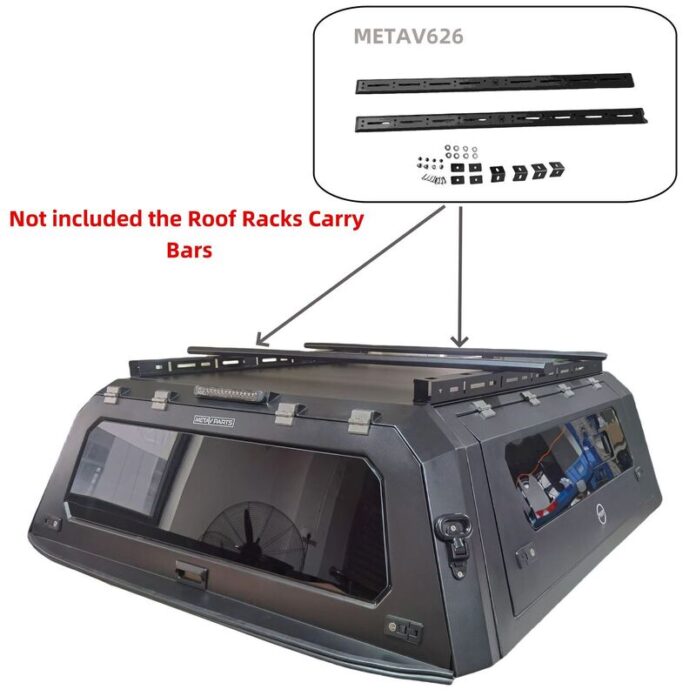

Every ute setup tells a story about how it’s used. Some lean hard into security, others favour quick access, and a few manage to sit comfortably in between. When you start looking at options like an MN Triton canopy, it becomes clear how small design decisions can shape that balance in ways you notice every single day.
A canopy should feel like an extension of the vehicle, not an obstacle you work around. When it’s right, everything flows. When it’s not, even grabbing a tool can feel like more effort than it should.
Why Security Needs More Than Basic Locking Features
Most people begin with security, and that instinct is hard to argue with. Tools disappear, and gear can fall off. It happens quickly and often without much warning. A canopy does add protection, but not all of them inspire the same level of confidence once you look a bit closer.
Locking mechanisms are the obvious starting point, though the details tend to separate the average from the well-thought-out. Integrated central locking, solid latch construction, and hinges that are tucked away rather than exposed all make a difference. It’s less about creating an impenetrable box and more about discouraging anyone from even trying.
Materials play their part as well. Aluminium has a certain toughness that holds up under pressure, while fibreglass leans toward a smoother finish and reduced weight. Neither is inherently better, but the choice should match how the vehicle is used rather than how it looks parked in a driveway.
How Thoughtful Access Changes Daily Use Completely
Security might get the attention first, yet access is what you deal with day in and day out. If reaching your gear involves climbing, shifting things around, or awkward angles, it doesn’t take long before irritation creeps in.
Good design solves that in so many ways. Side openings, rear lift doors, even the height and placement of handles can shift how easily you move in and out of the tray. Instead of planning each movement, you simply open, grab, and move on. That ease adds up, especially when the vehicle is part of your work routine.
Even small touches deserve more credit than they usually get. Gas struts that hold steady, hinges that don’t fight you, doors that close cleanly without needing a second push. You stop noticing them when they work well, which is probably the point.
Managing Airflow, Visibility And Everyday Practical Needs
Once a canopy is fitted, the tray becomes an enclosed space, and that brings its own set of considerations. Airflow is one of them. Without it, heat builds, moisture lingers, and stored items can start to suffer. A bit of ventilation goes a long way toward keeping things usable over time.
Visibility is another trade-off that often slips under the radar. Solid panels offer discretion and a stronger sense of security, though they limit what you can see behind and beside you. Windows improve awareness on the road, but they can introduce new concerns around exposure. It’s a balance most drivers only fully appreciate after living with one setup for a while.
Inside the canopy, organisation is equally important. Shelving, drawers, and anchor points help keep everything in place. Without them, even a secure canopy can turn into a cluttered space that slows you down.
Choosing A Setup That Reflects Real World Use
It’s tempting to focus on features in isolation, but the better approach is to consider how the vehicle fits into your routine. A canopy built for weekend trips might fall short under daily work demands, while a heavy-duty setup could feel excessive for lighter use.
For those who regularly carry tools or equipment, strength and load capacity become priorities. Reinforced bases, roof support, and compatibility with racks or additional fittings start to matter. On the other side, a more flexible setup with lighter materials and adaptable storage can make more sense for mixed use.
The goal isn’t to cover every possible scenario. It’s to choose something that feels right most of the time and doesn’t get in your way when plans change.
Final Thoughts
Finding the balance between security and access is less about compromise and more about alignment. When the canopy suits how you actually use your ute, everything becomes easier without much thought.
A well-chosen setup protects what you carry while still keeping it within reach. That combination is what turns a canopy from a simple add-on into something genuinely useful. With time, you stop thinking about it altogether, and that’s usually the clearest sign you got it right.