
Experiencing hair loss often prompts Australians to look for permanent, natural-looking solutions to restore their hairline. If you are researching modern hair restoration clinics, you will likely compare two highly advanced techniques: DHI (Direct Hair Implantation) and FUE (Follicular Unit Extraction). Choosing a DHI hair transplant in Melbourne has become a popular route for individuals seeking precise hairline design and rapid recovery times. Both methods offer exceptional results, but they differ significantly in application, extraction tools, and suitability. Understanding these distinctions helps you make an informed decision aligned with your budget, hair loss stage, and personal lifestyle. This guide breaks down the core differences between these two leading procedures in Victoria.
Understanding FUE Hair Transplant in Melbourne

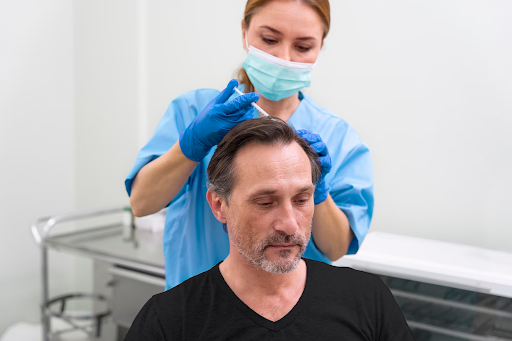
Follicular Unit Extraction, commonly known as FUE, represents a major leap forward from the older strip-harvesting methods of the past. When opting for a FUE hair transplant in Melbourne, patients undergo a detailed process where qualified surgeons extract individual hair follicles directly from the donor area, typically the back or sides of the scalp. The surgeon uses a specialised micro-punch tool to remove these follicular units one by one, leaving tiny dot scars that are virtually invisible once healed.
After extraction, the surgeon prepares the recipient area by making tiny incisions, or channels, in the balding zones. The harvested follicles are then carefully placed into these channels using fine forceps. This two-step process of channel creation followed by graft insertion allows for the coverage of large balding areas in a single session. It is highly effective for patients requiring extensive coverage, such as those experiencing advanced male pattern baldness. Because the channels are opened manually before implantation, the surgeon has complete control over the overall distribution and density, ensuring a balanced, fuller appearance that blends naturally with your remaining hair. Most clinics in Victoria utilise advanced local anaesthetics to ensure patient comfort throughout this day-long procedure. Recovery is relatively quick, with most individuals returning to light activities within a week.
The Mechanics of a DHI Hair Transplant
Direct Hair Implantation is a refined modification of the traditional FUE technique. During a DHI hair transplant in Melbourne, the extraction process remains similar, using micro-punches to harvest healthy follicles. However, the key difference lies in how the clinic implants these follicles into the recipient site. Instead of manually creating incisions first, the surgeon uses a specialised, patented tool known as a Choi Implanter Pen. This pen loads the hair follicle directly and implants it into the scalp in a single, fluid motion.
By combining channel creation and implantation, this method minimises the time the hair follicles spend outside the body. This rapid transition keeps the grafts hydrated and viable, which can lead to higher survival rates. The Choi Implanter Pen also allows the surgeon to control the depth, angle, and direction of each hair follicle with extreme precision. This level of control makes it an exceptional choice for restoring delicate areas like the temples or creating a natural-looking crown. While the procedure requires highly specialised training and takes longer to complete due to the meticulous nature of the pen application, the results speak for themselves in terms of density and natural appearance.
Comparing Recovery and Healing Times
Recovery is a crucial factor for most people when choosing between these two advanced hair restoration procedures. Because DHI does not require the surgeon to make pre-cut slits or channels in the recipient area, it causes less trauma to the scalp tissue. This lack of incisions generally translates to minimal bleeding, reduced swelling, and fewer scabs during the post-operative phase. Many patients who choose a DHI hair transplant in Melbourne find they can return to their public-facing jobs and social routines much faster, often within just a few days.
Conversely, a standard FUE hair transplant in Melbourne involves creating micro-channels, which means the healing process takes slightly longer. Tiny scabs will form around each implanted graft, and these typically take about ten to fourteen days to shed completely. While both procedures are minimally invasive compared to older surgical options, DHI offers a slight advantage for individuals who prioritise a fast, discreet recovery. Regardless of the method you choose, Victorian clinics provide detailed aftercare instructions, including specialised shampoos and saline sprays, to protect the newly implanted grafts during the critical first week. Following these guidelines carefully ensures optimal graft survival and prevents infection. Avoiding strenuous exercise and direct sun exposure for the first fortnight is standard practice for both options to guarantee the best possible outcome.
Choosing the Right Method for Your Hair Loss Stage
Your current stage of hair loss plays a significant role in determining which procedure will yield the best results. For patients experiencing extensive balding, such as Norwood Scale 5 or higher, a FUE hair transplant in Melbourne is often the most practical recommendation. This method allows the surgical team to harvest and transplant a large number of grafts—sometimes up to 4,000 or more in a single session—making it ideal for covering broad areas of the scalp efficiently. It provides a reliable foundation for restoring a complete crown and hairline when donor hair is plentiful.
On the other hand, DHI is highly suited for patients dealing with localised thinning or receding hairlines. Because the Choi Implanter Pen can insert hairs directly between existing strands, it is perfect for filling in gaps without damaging surrounding hair follicles. The technique is particularly beneficial for:
- Targeted hairline restoration: Achieving maximum density along the forehead line with exact angle control.
- No-shave procedures: Keeping existing hair long to conceal the treatment immediately after the session.
- Facial hair transplants: Reconstructing patchy beards or thinning eyebrows with natural-looking precision.
A comprehensive consultation with a qualified hair transplant surgeon in Victoria will help assess your donor hair density, evaluate your scalp health, and recommend the technique that aligns with your specific hair restoration goals.
Conclusion

Deciding between DHI and FUE hair restoration methods ultimately depends on your individual hair loss pattern, budget, and lifestyle requirements. Standard FUE remains an excellent, cost-effective solution for covering larger areas of baldness with proven, long-term success. Meanwhile, DHI offers unparalleled precision, faster recovery times, and higher graft survival rates for those looking to address targeted thinning or hairline refinement. Both procedures are widely available from skilled practitioners across Victoria, ensuring high-quality care. By consulting with a reputable hair restoration specialist, you can thoroughly evaluate your scalp health, discuss your expectations, and choose the ideal path to regain a full, natural-looking head of hair.