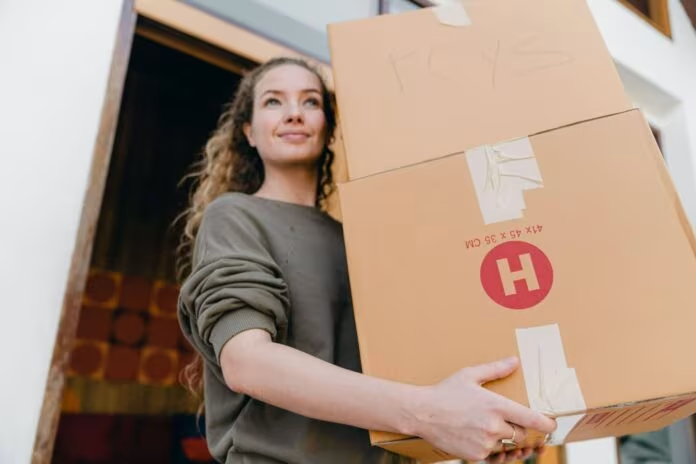

Moving to a new home or office can be exciting, but it also comes with many responsibilities. Packing belongings, moving furniture, arranging transport, and making sure everything reaches the new location safely can quickly become stressful. Good planning and the right moving support can make the entire process much easier. Whether you are moving to another suburb in Perth or relocating your business, understanding the main steps involved can help you save time, reduce risks, and stay organised.
Start Planning Your Move Early
A successful move usually begins several weeks before moving day. Starting early gives you enough time to sort your belongings, organise packing materials, arrange transport, and deal with any unexpected problems.
Begin by creating a simple moving checklist. Write down important tasks such as choosing a moving date, contacting removalists, purchasing boxes, changing your address, and arranging utilities at the new property. Dividing the work into smaller tasks makes the move easier to manage.
Early planning is especially important when moving during weekends, holidays, or busy periods. Removal companies can receive many bookings at these times, so arranging your moving service early can help you secure a suitable date and time.
Choose a Reliable Perth Removalist
One of the most important decisions is choosing a dependable removal company. Professional removalists can handle heavy furniture, fragile items, appliances, boxes, and other belongings while reducing the physical work required from you.
When choosing a company, consider experience, customer feedback, insurance, services offered, and pricing structure. A professional company should explain its services clearly and provide information about how your belongings will be handled.
For people looking for professional moving assistance in Perth, Next Step Removals is relevant to both residential and office relocations. Using an experienced removal team can be particularly helpful when you have large furniture, many boxes, difficult access points, or a strict moving schedule.
Remove Items You No Longer Need
Moving is an excellent opportunity to organise your belongings. There is little benefit in paying to move items that you no longer use.
Go through each room before packing and separate your belongings into different groups. Items you regularly use should be kept, while unwanted items can be sold, donated, recycled, or responsibly disposed of.
Removing unnecessary belongings offers several benefits. You will need fewer boxes, packing will take less time, loading can be faster, and your new home will be easier to organise. This process is especially useful when moving from a larger property into a smaller one.
Use Proper Packing Materials
Good packing protects your belongings during transportation. Weak boxes or poor packing methods can increase the chance of damage.
Use strong moving boxes that can support the weight of their contents. Bubble wrap, packing paper, tape, furniture covers, and protective blankets can provide additional protection. Fragile items such as glassware, mirrors, electronics, and decorations should receive extra care.
Avoid making boxes too heavy. For example, books should be packed into smaller boxes rather than filling a large box completely. Heavy boxes are difficult to carry and are more likely to break.
Try to fill empty spaces inside boxes with packing paper or another suitable material. This helps prevent items from moving around while they are being transported.
Label Every Box Clearly
Labelling boxes is a simple step that can make a major difference when you reach your new property.
Write the name of the destination room on each box, such as “Kitchen”, “Bedroom”, “Living Room”, or “Office”. You can also add a short description of the contents.
Boxes containing delicate belongings should be marked “Fragile” so they can be handled carefully. Labels also help removalists place boxes directly into the correct rooms, reducing the amount of work required later.
For additional organisation, you can number your boxes and keep a basic list of what each numbered box contains.
Prepare Furniture Before Moving Day
Large furniture often requires additional preparation. Beds, tables, shelves, desks, and other items may need to be dismantled before they can be moved safely.
Remove loose shelves, drawers, or detachable parts where possible. Keep screws, bolts, and small components in labelled bags so they are easy to find when rebuilding the furniture.
It is also useful to measure large furniture and compare the measurements with doors, hallways, staircases, and lifts at the new property. This can help identify access problems before moving day.
Professional removalists may also provide furniture disassembly and reassembly services, depending on the type of service you arrange.
Keep Important Items With You
Some belongings should remain with you instead of being placed inside the moving truck.
Keep important documents, identification, keys, wallets, phones, chargers, medication, jewellery, and other valuable personal belongings in a separate bag.
It is also helpful to prepare an essentials box or bag for your first day in the new property. Include basic items such as toiletries, clothes, towels, water, snacks, phone chargers, and cleaning supplies.
This prevents you from searching through several boxes immediately after arriving.
Prepare for Office Relocations Carefully
Office moves require additional organisation because businesses often need to reduce downtime.
Before moving, create a clear relocation plan and assign responsibilities to staff members. Employees should know when they need to pack their work areas and how equipment will be organised.
Computers, monitors, printers, networking equipment, documents, furniture, and other office items should be carefully labelled. Sensitive documents and valuable technology may require additional security during transportation.
It is also important to arrange internet connections, electricity, telephone services, and other business systems before moving into the new office whenever possible. This can help employees return to work more quickly.
Check Access at Both Properties
Good access can make the moving process faster and safer.
Before moving day, check parking availability at both the old and new properties. The removal truck should ideally be able to park reasonably close to the entrance.
If you live in an apartment, check whether there are rules about using lifts or loading areas. Some buildings require residents to reserve a lift before moving furniture.
You should also inform the removal company about stairs, narrow entrances, long walking distances, difficult driveways, or unusually heavy items. Giving this information in advance helps the team prepare suitable equipment and enough workers.
Understand the Moving Costs
Moving costs can vary depending on several factors. These may include the distance between properties, number of belongings, number of removalists required, moving time, property access, and additional services.
Before booking, ask how the company calculates its charges. Some removalists use hourly rates, while others may provide fixed estimates for particular moves.
Providing accurate information about your property and belongings can help produce a more realistic estimate. Mention large items such as refrigerators, wardrobes, sofas, pianos, large desks, or outdoor equipment when requesting pricing.
Prepare Your New Property Before Arrival
If possible, visit and prepare your new property before moving your furniture into it.
Cleaning the property while it is empty is usually easier than cleaning around boxes and furniture. You can also decide where larger furniture should be placed before the removalists arrive.
Check that electricity, water, internet, and other essential services are available. Knowing where important areas such as the electricity switchboard and water controls are located can also be useful.
Make Moving Day More Organised
On moving day, try to have everything packed before the removal team arrives. Last-minute packing can delay the process and increase moving costs when services are charged by time.
Make sure pathways are clear and pets or young children are kept away from areas where heavy furniture is being carried. Confirm the destination address and any special instructions with the moving team before departure.
Once the truck is loaded, check rooms, cupboards, garages, balconies, and storage areas to make sure nothing has been forgotten.
Final Thoughts
Moving does not have to be an exhausting experience. Early preparation, careful packing, clear labelling, and good communication can make the process much more manageable. Choosing an experienced removal service can also reduce the physical work involved and help protect your belongings during transportation.
Whether you are moving from a house, apartment, or office, organising each stage carefully allows you to focus on settling into your new location. With a clear plan and professional moving support, relocating within Perth can become a smoother, safer, and far more organised experience.