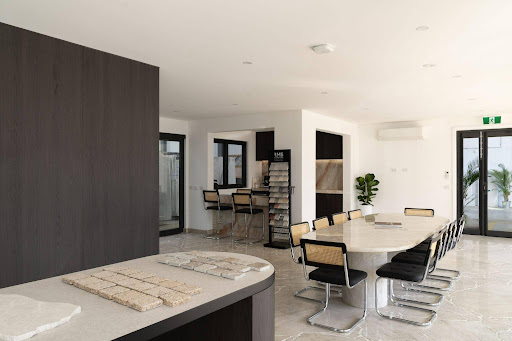

Melbourne homes are rarely defined by a single design style. Victorian terraces sit alongside contemporary builds, renovated period homes share streets with new architectural residences, and indoor spaces increasingly flow into landscaped outdoor areas.
With this mix of old and new, choosing materials that can complement different architectural styles has become an important part of residential design.
Natural stone is one material that continues to work across these changing design preferences. Its combination of texture, colour variation and durability makes it suitable for everything from subtle interior details to bold architectural features.
Rather than being limited to traditional luxury interiors, stone is increasingly being used as a versatile design element that can bring warmth, depth and individuality to everyday living spaces.
1. Natural Materials Are Bringing More Character Into Homes
For years, minimalist interiors often focused on perfectly uniform surfaces, clean lines and limited colour palettes. While this approach remains popular, many homeowners are now introducing natural materials to make these spaces feel less clinical.
Natural stone is particularly effective because its variation creates visual interest without requiring bright colours or elaborate decoration.
Veining in marble, tonal variations in limestone and the natural texture of stone wall surfaces can all provide subtle differences that become part of the character of a room.
This is especially useful in neutral interiors. A room built around whites, creams, greys or natural timber can gain considerable depth from a carefully selected stone feature.
2. Marble Can Turn Everyday Surfaces Into Features
Marble has traditionally been associated with grand architectural interiors, but contemporary applications have made it much more accessible.
Rather than covering an entire room in marble, homeowners can use it selectively across floors, splashbacks, bathroom walls, entryways or smaller feature areas.
The natural veining of marble means that even a relatively simple installation can become a visual feature. Depending on the variety selected, the effect can range from understated and soft to bold and dramatic.
For flooring and interior applications, marble tiles can provide a way to introduce the material while maintaining flexibility in layout and design.
Different tile sizes, patterns and laying arrangements can also change the final appearance. A simple grid can create a contemporary finish, while more intricate layouts can add a traditional or decorative quality.
The key is to consider marble as part of the wider interior rather than selecting it in isolation.
3. Stone Wall Cladding Can Change the Feel of a Room
Walls are often treated as background elements, but they can become one of the strongest features of a space when texture is introduced.
Stone wall cladding can be used to create a focal point around a fireplace, define an entrance, frame an outdoor entertaining area or add architectural interest to an otherwise simple wall.
Unlike paint or wallpaper, stone introduces physical depth. The surface catches light differently throughout the day, while variations between individual pieces create a more organic appearance.
It can also be used outside the home. Garden walls, retaining structures, pool areas and alfresco spaces can all benefit from the visual connection created by natural materials.
For homeowners, this creates an opportunity to connect architecture with landscaping rather than treating the garden and house as two completely separate environments.
4. Mixing Stone With Timber Creates a Warmer Interior
Natural stone does not need to be used on its own.
One of the most effective combinations in contemporary residential design is stone alongside timber. The harder, cooler visual character of stone can be balanced by the warmth and grain of natural wood.
This combination works particularly well in kitchens and living areas.
A marble floor or splashback can provide pattern and sophistication, while timber cabinetry or furniture prevents the room from feeling overly formal. Similarly, a textured stone feature wall can be softened with timber shelving, flooring or furnishings.
The same principle can be applied outdoors. Stone paving paired with timber decking, garden planting and outdoor furniture can create a more layered entertaining environment.
5. The Right Finish Matters as Much as the Stone
Choosing a particular type of stone is only part of the design process.
The finish can significantly change how the material looks and performs. Polished surfaces tend to reflect more light and can create a more formal appearance, while honed or textured finishes can produce a softer, more understated result.
The intended application should always influence the decision.
A bathroom, kitchen, living area and outdoor space may each have different requirements relating to moisture, foot traffic, maintenance and installation.
Natural stone also contains inherent variation. Colour, veining and texture can differ between individual pieces, which is part of what makes the material distinctive.
Viewing samples before making a final decision can therefore be valuable, particularly when the stone will cover a large area.
6. Outdoor Living Is Creating More Opportunities for Stone
Melbourne homeowners increasingly view outdoor areas as extensions of the home rather than spaces that are only used occasionally.
Entertaining areas, pools, courtyards and landscaped gardens are being designed with the same level of attention given to interior spaces.
Natural stone fits naturally into this approach.
Paving can establish the foundation of an outdoor entertaining area, while stone features can be used around pools, gardens, pathways and architectural structures. Complementary materials can then be carried between indoor and outdoor areas to create a stronger visual connection.
When selecting stone for an exterior application, appearance should be considered alongside practical requirements such as exposure, moisture, slip considerations, cleaning and ongoing maintenance.
7. Good Stone Design Starts With the Application
The most successful natural stone projects are not necessarily the ones using the most expensive material. They are the ones where the material has been selected appropriately for the space.
Before choosing a product, homeowners and designers should consider where it will be installed, how the surface will be used and what level of maintenance is realistic.
The surrounding colours and materials also matter. A dramatic marble may work beautifully against restrained cabinetry, while a highly textured wall could compete with patterned furniture or artwork.
RMS Traders has supplied natural stone in Australia since 1984 and offers a broad range of materials including marble, limestone, granite, bluestone, travertine and other natural stones. The company also provides product information and installation resources to assist customers with material selection.
Taking the time to understand these factors can help ensure that a stone installation remains visually appealing while also being appropriate for its intended use.
8. Creating Homes With a More Lasting Sense of Style
Interior trends will continue to change, but natural materials tend to have a longer visual life.
That does not mean every home needs marble floors or a dramatic stone wall. In many cases, a small and carefully considered application can have a greater effect than covering an entire room.
A marble feature can bring pattern and sophistication to a bathroom or kitchen. Stone wall cladding can add texture to a living area or outdoor space. Carefully selected paving can create a stronger relationship between a home and its garden.
The common thread is thoughtful material selection.
For Melbourne homeowners looking beyond short-lived design trends, natural stone offers an opportunity to create interiors and outdoor spaces with genuine variation, texture and character. When the material is chosen according to the architecture, application and overall design, it can become more than a decorative finish — it can become part of what gives the home its identity.