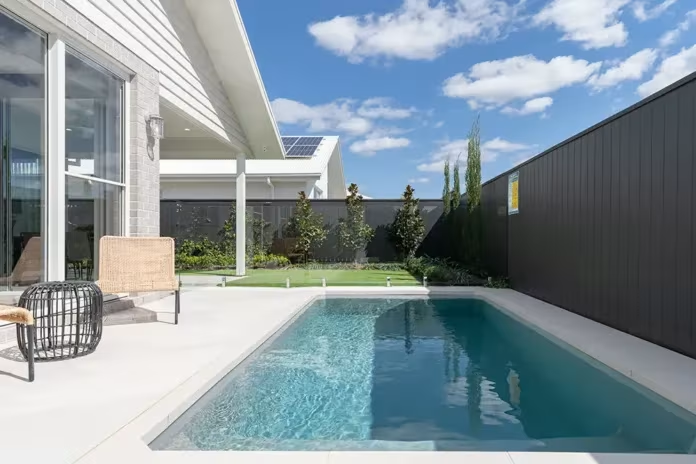

Are you dreaming of a refreshing escape right in your backyard? A plunge pool might just be the answer. These compact, stylish pools offer the perfect blend of relaxation and practicality, making them an ideal addition to any home. Whether you’re looking to cool off during hot summer days or create a cozy space for evening gatherings, plunge pools have something unique to offer.
As homes become smaller and outdoor spaces more limited, homeowners are searching for ways to maximize their enjoyment without compromising style. Plunge pools provide that solution—combining aesthetics with functionality. So as we dive into the world of plunge pools, get ready for inspiring ideas and practical tips that will help you plan your own personal oasis!
What is a Plunge Pool?
A plunge pool is a small, shallow body of water designed for relaxation and cooling off. Plungie pool building by Dynamic can provide an option for those looking to create a compact pool area. Unlike traditional swimming pools that are often large and deep, plunge pools focus on providing a serene space without the fuss.
These compact pools typically range from 3 to 7 feet in depth. Their size makes them perfect for smaller yards or urban settings where space is at a premium. Despite their smaller dimensions, plunge pools can still offer plenty of enjoyment.
Often equipped with jets for massage or heating systems, they create an inviting atmosphere year-round. The design possibilities are endless—from natural stone finishes to modern tiles—allowing you to customize your oasis.
Plunge pools are not just about aesthetics; they also provide therapeutic benefits such as stress relief and muscle relaxation. This combination of design and utility makes them increasingly popular among homeowners looking to enhance their outdoor living experience.
Factors to Consider Before Installing a Plunge Pool
Before diving into plunge pool installation, think about the location. Sun exposure is crucial for warmth. A spot that gets plenty of sunlight will enhance your swimming experience.
Next, consider local regulations. Different areas have varying rules on pool installations. Check zoning laws and necessary permits to avoid future headaches.
Size matters too. Assess available yard space and determine how much room you can allocate without sacrificing outdoor living areas.
Budget is another key factor. Beyond initial costs, consider ongoing expenses like maintenance, water bills, and potential landscaping needs.
Think about accessibility. Ensure easy entry and exit points for all users while maintaining a safe environment for children or pets in the vicinity. Each of these aspects plays a significant role in creating your ideal plunge pool oasis.
Design and Style Options for Plunge Pools
When it comes to plunge pools, the design possibilities are truly endless. From sleek geometric shapes to freeform styles that mimic natural bodies of water, you can choose what suits your taste and landscape.
Materials play a significant role in aesthetics. Tiles offer vibrant colors and patterns, while polished concrete provides a modern touch. Consider adding stone accents for an earthy vibe or glass panels for a contemporary feel.
Lighting is another crucial element. LED lights can create stunning effects at night, transforming your pool into a luxurious retreat. Surrounding landscaping also contributes significantly; lush plants or minimalist hardscaping can enhance the overall look.
Don’t forget about functionality—built-in seating or steps add practicality without sacrificing style. Water features like fountains or waterfalls can introduce soothing sounds that elevate relaxation levels considerably.
Maximizing Space in Smaller Yards with Plunge Pools
Plunge pools are a fantastic solution for smaller yards. They offer the luxury of a pool without consuming your entire outdoor space. This makes them ideal for urban dwellers or those with compact gardens.
Their compact design allows you to create an inviting oasis amid limited square footage. You can incorporate landscaping around the pool, such as planters or deck chairs, enhancing both aesthetics and functionality.
Consider integrating features like built-in benches or seating areas around your plunge pool. These additions not only maximize utility but also encourage social gatherings.
Using vertical elements can expand visual appeal too. Add climbing plants or wall-mounted decor to draw the eye upward and make the area feel larger and more open.
With thoughtful planning, plunge pools become stunning focal points in small spaces, transforming ordinary yards into extraordinary retreats where relaxation meets style.
Maintenance and Care Tips for Plunge Pools
Regular maintenance is essential to keep your plunge pool sparkling and inviting. Start by checking the water chemistry weekly. Proper pH levels, alkalinity, and chlorine balance prevent algae growth and ensure a safe swimming environment.
Cleaning the filters is another crucial step. Clogged filters can affect circulation and water quality. Rinse them every few weeks for optimal performance.
Don’t forget about skimming debris from the surface daily. Leaves, insects, or even small branches can accumulate quickly, making your pool look unkempt.
Shock treatments are beneficial after heavy use or rainstorms. This process helps eliminate contaminants that might linger in the water.
Consider using a pool cover when not in use. It keeps dirt out while reducing evaporation, which saves on chemical costs long term. With these simple steps, maintaining a plunge pool doesn’t have to be daunting; it can fit seamlessly into your routine.
Cost Comparison: Plunge Pools vs Traditional Swimming Pools
When considering a plunge pool, it’s essential to weigh the costs against traditional swimming pools. Plunge pools are generally smaller and can be more affordable upfront. They require less space, which means lower excavation and installation expenses.
On average, a standard plunge pool can cost anywhere from $15,000 to $30,000. This is significantly less than the typical range for traditional in-ground swimming pools that often start at around $35,000 and can soar much higher depending on size and features.
Maintenance costs also differ considerably. With a smaller body of water comes reduced heating requirements and fewer chemicals needed for upkeep—this translates into savings over time. Additionally, because plunge pools are compact, they often consume less energy overall.
However, it’s important to consider your lifestyle needs when making this decision. If you’re looking for extensive recreational activities like diving or laps, a traditional pool might better suit your desires despite its higher price tag.
Both options have their merits but understanding these financial aspects will guide you toward the right choice for your backyard oasis.