
Australia’s cafe culture has long been defined by its obsession with specialty coffee. From perfectly textured flat whites in Melbourne laneways to single-origin batch brews on the sunny coasts of Queensland, local venues have set a global standard for barista craftsmanship. However, as consumer preferences evolve, a new movement is brewing on the counters of independent cafes. Patrons are no longer satisfied with a standard commercial tea bag dumped into a mug of boiling water. Instead, the hospitality industry is experiencing a third-wave tea revolution, where precise brewing methods, transparent sourcing, and bespoke flavour profiles are becoming just as important as the morning coffee rush. The organic beverages market in Australia was valued at an impressive 737.5 million USD in 2025. With organic tea and coffee combinations leading the charge, this data proves that consumers are ready to spend their discretionary income on high-quality, thoughtful alternatives.
The Rise of the Dual Beverage Strategy
Independent cafes, which make up roughly 95 per cent of the hospitality landscape in major hubs, are rapidly adopting a dual beverage approach. Venue owners realise that to be a true all-day destination, they must cater to an audience that wants more than just a quick caffeine fix. This strategic shift is backed by substantial economic potential and changing consumer habits.
According to recent industry data detailing the Australian tea market, the sector is projected to reach an impressive 780.6 million USD by 2034. This growth is driven largely by a surging demand for health-focused drinks that mirror the sophistication of the specialty coffee movement. By elevating their in-house beverage strategies, some independent venues have reported afternoon revenue boosts of up to 29 per cent. This proves that offering a sophisticated drinks menu is not just a polite alternative for non-coffee drinkers, but a highly profitable business model that keeps seats filled long after the morning rush has ended.
When cafes provide excellent non-caffeinated options, they naturally increase customer dwell time. A group of friends is much more likely to linger and order secondary items like pastries or light meals if everyone in the party has an appealing beverage choice. This inclusive approach to menu design is essential for maximising the profitability of each table.
Crafting an Unforgettable Brand Identity
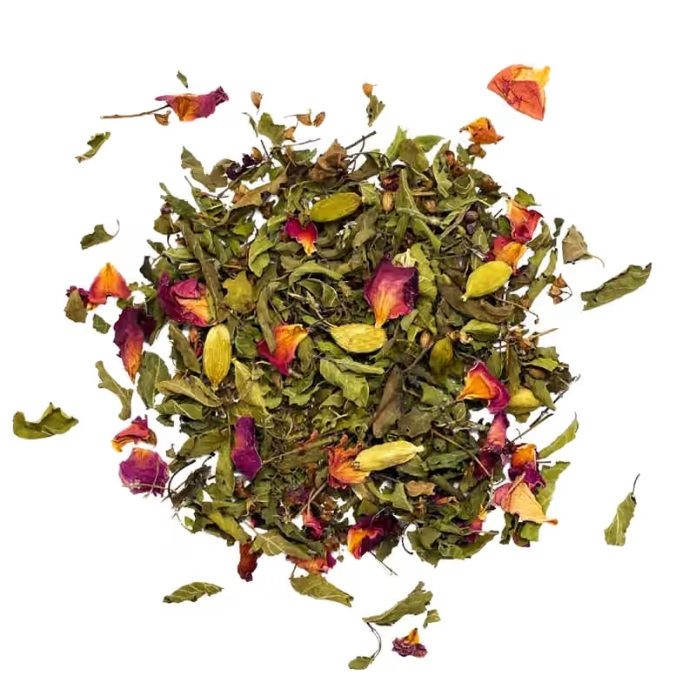
To stand out in a highly competitive market, hospitality owners are actively moving away from generic, off-the-shelf products. Today’s successful venues are collaborating with wholesale suppliers to formulate unique beverages that cannot be easily replicated at home or by the cafe next door. By investing in bespoke tea blends that reflect their specific culinary style, cafes can establish a memorable and distinct brand identity. Whether it is a fragrant Earl Grey infused with native flora or a spiced chai mixed entirely in-house, these signature creations give customers a compelling reason to return.
The visual appeal of these beverages also plays a crucial role in modern cafe marketing. Brightly coloured floral infusions, layered iced drinks, and perfectly whisked vibrant green lattes are highly shareable on social media. This organic, user-generated content helps cafes attract new local patrons without spending heavily on traditional advertising.
Sustainability is also a non-negotiable factor in this new era of cafe service. Modern customers expect their premium beverages to come with a clean conscience. Biodegradable packaging, ethically sourced loose-leaf ingredients, and transparent farm-to-cup supply chains are now considered baseline industry standards. High-end tea houses are successfully commanding premium prices simply by emphasising this ethical craftsmanship, proper water temperatures, and the refined expertise of their staff.
Functional Wellness and Local Flavours
A major driver of the specialty beverage boom is the ongoing shift toward health and wellness. Industry surveys show that approximately 73 per cent of Australian consumers are actively trying to maintain healthier diets. They are increasingly steering clear of sugar-rich soft drinks in favour of functional beverages that support their overall well-being.
Many venues are responding to this demand by expanding their menus to include beverages that offer targeted, everyday health benefits. For example, progressive cafes are capitalising on the widely celebrated reasons why matcha tea is king when it comes to supporting healthy metabolism. These vibrant green drinks deliver essential antioxidants like EGCG and provide a sustained energy boost without the dreaded coffee jitters.
Beyond popular staples like matcha, cafes are experimenting with a wide array of functional and regional ingredients to build exciting, modern menus:
- Adaptogenic Herbs: Ingredients like ashwagandha, turmeric, and collagen are being integrated into wellness infusions to support immunity, digestion, and mental focus throughout the day.
- Native Botanicals: Cafes are utilising lemon myrtle, roasted wattleseed, aniseed myrtle, and Davidson’s plum to create distinctly Australian flavour profiles that celebrate local agriculture.
- Artisanal Cold Fusions: Native ingredients and herbal bases are being repurposed for iced botanical drinks, house-made syrups, and small-batch kombuchas during the warmer summer months.
The use of native botanicals offers a particularly powerful storytelling opportunity. It allows local businesses to highlight their ethical sourcing practices while actively supporting First Nations supply chains and regional farmers. Sharing the origin story of these unique ingredients creates a deeper connection between the venue and its patrons, fostering long-term community loyalty.
The days of cafes treating non-coffee alternatives as a mere afterthought are rapidly coming to an end. By embracing premiumisation, functional wellness, and unique local ingredients, Australian venues are transforming their afternoon service and attracting a broader, health-conscious demographic. As this third-wave movement continues to gain momentum across the country, the cafes that invest in a high-quality, curated beverage experience will undoubtedly lead the next chapter of Australia’s vibrant hospitality scene.