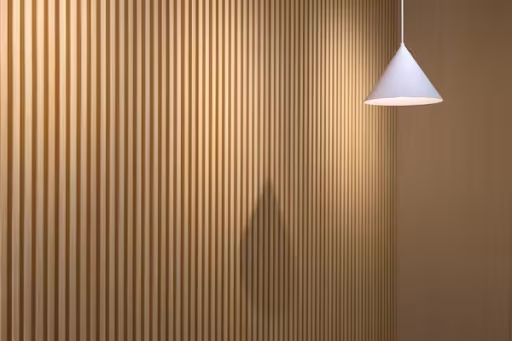
Interior design is constantly evolving as homeowners, architects, and commercial developers look for materials that offer more than visual appeal. Today’s spaces need to be comfortable, practical, sustainable, and adaptable to changing lifestyles.
From residential renovations to hotels, offices, and retail environments, designers are exploring new ways to create distinctive interiors without relying only on traditional finishes. Among these emerging solutions, decorative wall systems are becoming an increasingly popular choice for modern spaces.
Interior Design Is Moving Towards Smarter Materials
Modern interiors are no longer defined only by furniture and colour schemes. Walls, ceilings, and surface materials now play an important role in shaping the atmosphere and functionality of a space.
In Australia, where homeowners and businesses often seek designs that balance style with practicality, material selection has become a key part of renovation and construction planning. Designers are increasingly choosing lightweight, durable, and visually appealing solutions that can enhance interiors while reducing installation complexity.
Unlike traditional wall treatments that may require extensive preparation and maintenance, modern wall panels provide a more flexible approach. They allow designers to introduce texture, patterns, and natural finishes while creating a cleaner and more efficient installation process.
Why Decorative Wall Panels Are Becoming Popular
One of the major reasons for the growing popularity of decorative wall panels is their ability to transform ordinary spaces into visually impressive environments.
Whether used in living rooms, bedrooms, offices, restaurants, or hospitality projects, wall panels can create feature walls that add depth and personality. Available in a variety of finishes, including wood-inspired textures, stone effects, and contemporary designs, they provide designers with more creative freedom.
For commercial projects, this flexibility is especially valuable. Hotels and restaurants need interiors that leave a strong impression on visitors while remaining practical for long-term use. Decorative wall solutions help achieve a premium appearance without the challenges associated with some traditional materials.
Modern options such as WPC wall panels, PVC marble surfaces, and wood veneer-inspired panels are helping designers achieve elegant interiors while improving installation efficiency.
Combining Style With Functionality
Today’s interior materials need to perform as well as they look.
Durability, easy maintenance, and resistance to everyday wear are becoming increasingly important considerations for both residential and commercial spaces. A beautifully designed interior should also remain practical over time.
For busy environments such as hotels, offices, and retail stores, materials that are easy to clean and maintain can provide significant long-term advantages.
Wall panels also offer opportunities for creative design combinations. Different colours, textures, and layouts can be used to create unique spaces that reflect a brand identity or personal style.
This approach allows architects and designers to move beyond traditional decoration methods and develop interiors that are both functional and visually engaging.
Acoustic Design: Creating More Comfortable Spaces
Another important trend influencing modern interiors is the growing focus on acoustic comfort.
Open-plan offices, apartments with hard surfaces, and hospitality spaces can often experience unwanted noise and echoes. As people spend more time indoors, creating comfortable environments has become an essential part of design planning.
Acoustic solutions combine performance with aesthetics by helping manage sound while adding visual interest to walls. Instead of treating acoustic improvement as a separate requirement, designers are now integrating it directly into the overall interior concept.
Materials such as fabric acoustic panels and wood-style acoustic systems allow spaces to achieve better sound control while maintaining a modern appearance.
Sustainable Materials for Future Interiors
Sustainability continues to influence the decisions of homeowners, architects, and developers around the world.
Modern interior materials are increasingly expected to offer durability, efficient installation, and responsible production practices. Lightweight wall solutions can help reduce construction complexity, while long-lasting surfaces can contribute to better lifecycle value.
The future of interior design is likely to focus on materials that combine environmental awareness with practical performance. Designers are looking for solutions that support beautiful spaces while meeting the expectations of modern consumers.
Creating Flexible Modern Spaces
As lifestyles continue to change, flexibility has become a defining element of contemporary design.
Homes need to support multiple activities, offices need adaptable environments, and hospitality spaces must create memorable experiences. Materials that allow quick transformation and creative customisation are becoming increasingly valuable.
Decorative wall systems represent this new direction in interior design. They provide designers with the ability to refresh spaces, introduce new textures, and create unique environments without major structural changes.
Companies such as AesthEdge are contributing to this evolution by developing modern interior solutions, including decorative wall panels, acoustic materials, PVC marble surfaces, and other innovative products for residential and commercial applications worldwide.
The future of interiors is not simply about making spaces look attractive. It is about creating environments that are comfortable, functional, sustainable, and designed for the way people live today.