Sports apparel has become part of everyday wardrobes. The shift is not driven by trends alone. It comes from advances in textile engineering, better garment construction, and changing consumer expectations. People want clothing that performs during activity and remains comfortable throughout the day.
The numbers reflect that change. According to Euromonitor International, more than one in five apparel and footwear products sold worldwide in 2025 was a sportswear item. The category is expected to continue growing faster than the broader fashion market.
One reason for this growth is versatility. Performance clothing is no longer limited to gyms, stadiums, or training sessions. It now fits into work, travel, and casual lifestyles without sacrificing function.
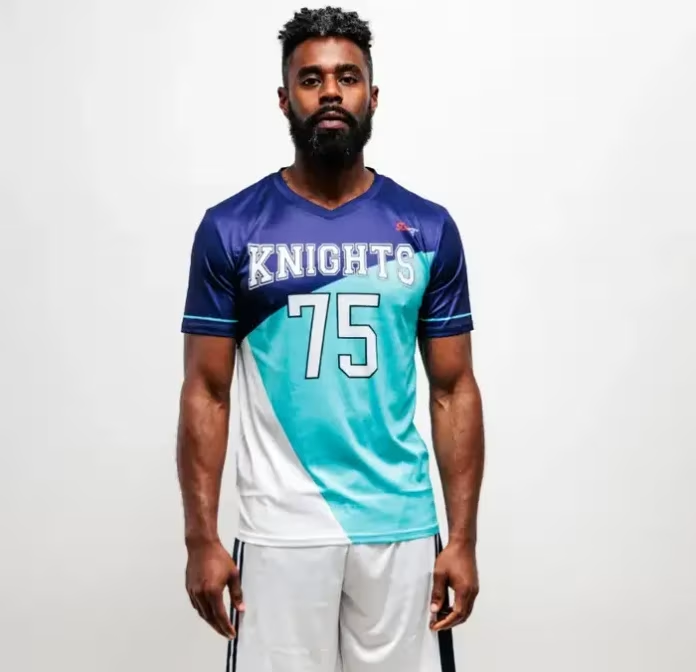
Early in that transition, teamwear also evolved. Businesses, schools, and community clubs increasingly invest in custom cricket jerseys that combine technical fabrics with distinctive branding. These garments deliver moisture control, durability, and visual identity while remaining suitable for everyday wear after the match.
Performance Fabrics Changed Everyday Fashion
Modern sportswear starts with fabric selection.
Manufacturers use synthetic blends because they manage moisture better than traditional cotton. Polyester microfiber transports sweat through capillary action. Elastane improves stretch recovery. Nylon increases abrasion resistance in high movement zones.
Fabric engineers also incorporate treatments that improve long term performance, including:
- Moisture wicking finishes
- UV protection
- Antimicrobial technology
- Four way stretch construction
- Quick drying yarn structures
Each feature contributes to comfort outside athletic environments as much as during competition.
Consumers now expect these benefits in jackets, polos, hoodies, and everyday trousers.
Design Is Driven by Movement
Sports fashion follows biomechanics rather than conventional tailoring.
Pattern makers study how joints rotate during walking, running, and reaching. Instead of restricting movement, garments include articulated sleeves, gusseted underarms, and ergonomic seam placement.
These design choices reduce stress points while improving mobility.
Flatlock stitching also minimizes friction. Bonded seams reduce bulk. Laser cut ventilation zones improve airflow without weakening the garment.
Many of these construction methods have migrated directly into lifestyle collections because they enhance comfort regardless of activity level.
Athleisure Depends on Function First
Athleisure succeeds because it solves practical problems.
Consumers no longer separate active clothing from casual clothing. They prefer wardrobes that perform throughout the day.
That demand influences every stage of garment development.
Successful sports inspired apparel typically offers:
- Lightweight construction
- Durable stitching
- Wrinkle resistance
- Breathable fabrics
- Easy maintenance
- Flexible fit
These qualities reduce the need for multiple wardrobe changes while extending garment usability.
The result is clothing that works equally well during commuting, travel, meetings, and recreational activities.
Technology Shapes Modern Sportswear
Innovation continues beyond fabrics.
Digital body scanning improves garment sizing by using detailed anthropometric data. Manufacturers also use 3D product development software to test fit before physical production begins.
Knitting technology has advanced as well.
Seamless knitting machines create garments with varying compression zones using a single production process. This reduces waste while improving comfort and structural support.
Some premium products integrate recycled performance fibers without compromising tensile strength or moisture management.
These manufacturing improvements allow brands to deliver products that satisfy both technical performance requirements and modern fashion expectations.
Consumer Expectations Continue to Rise
Buyers evaluate sports apparel differently than they did a decade ago.
Visual appeal still matters, but technical performance often determines purchasing decisions.
Consumers compare:
- Fabric weight
- Breathability ratings
- Stretch recovery
- Durability after repeated washing
- Sustainability credentials
- Manufacturing quality
This shift encourages brands to invest more heavily in research, testing, and product development.
Performance claims increasingly require measurable evidence rather than marketing language.
Sports Fashion Has Become Everyday Fashion
The boundary between sportswear and casual clothing continues to disappear.
Technical apparel now influences mainstream fashion across every age group. Consumers appreciate garments that deliver comfort, durability, and versatility without appearing overly athletic.
This evolution benefits both manufacturers and buyers. Brands can develop products that serve multiple purposes. Consumers gain clothing that adapts to changing routines without sacrificing appearance or functionality.
Sports fashion is no longer defined by competition alone. It represents a broader approach to clothing design where engineering, material science, and practical performance shape what people choose to wear every day.