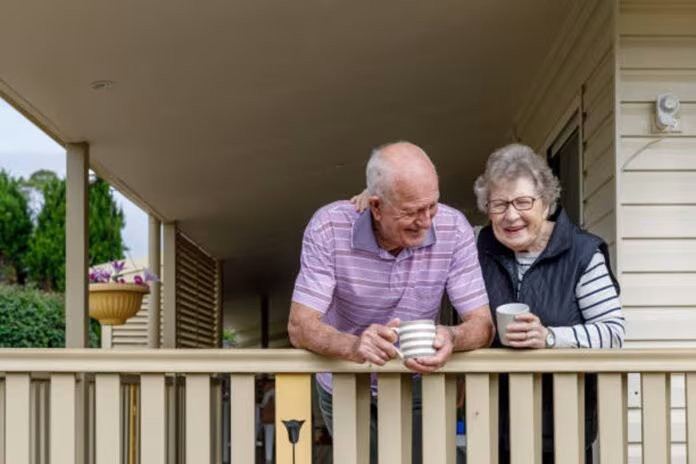

Independence is at the heart of modern retirement village living because it allows older adults to maintain control over their routines, decisions, and lifestyle while reducing some of the responsibilities that can become difficult with age. A retirement community can offer the privacy of having your own home alongside convenient services, social opportunities, shared facilities, and a sense of security.
For many older Australians, moving into a retirement community is not about giving up independence but finding a setting that makes it easier to maintain. Southern Cross Care NSW and ACT is one option for people considering this type of lifestyle, where independent living can be combined with community connection and practical convenience.
Having Your Own Space Still Matters
One of the biggest advantages of retirement village living is having a private place to call home.
Residents can maintain their own routines, decorate their living spaces, prepare meals, receive visitors, and decide how they spend their time. This sense of ownership and personal choice can make the transition from a traditional family home feel more comfortable.
Retirement living does not have to mean giving up privacy. Instead, it can provide a private home within a community setting.
Less Maintenance Can Mean More Freedom
Maintaining a large house often involves more work than people realise. Gardening, exterior upkeep, repairs, and general household responsibilities can consume considerable time.
Retirement communities can reduce some of these responsibilities through maintenance arrangements and shared facilities. Having fewer household tasks to manage can give residents more time to focus on hobbies, family, travel, exercise, or simply enjoying a quieter routine.
For someone who has spent decades maintaining a property, this change can be one of the most appealing aspects of retirement living.
Independence and Community Can Coexist
Independence does not mean isolation.
Retirement villages provide opportunities for residents to meet people in similar stages of life and develop new friendships. Shared lounges, gardens, recreation areas, community rooms, and organised activities can encourage social interaction.
At the same time, residents can decide how involved they want to be. Someone may enjoy attending regular social events, while another person may prefer spending most of their time at home and joining activities occasionally.
That flexibility allows people to maintain their own sense of independence while still having a community nearby.
Everyday Convenience Can Make a Difference
Location and accessibility are important parts of comfortable retirement living.
Being close to shops, medical services, public transport, parks, community facilities, or family members can make everyday tasks easier. A convenient location can also make it simpler for residents to remain active and connected to the surrounding community.
Rather than spending large amounts of time dealing with household responsibilities or travelling long distances for basic needs, residents may have more opportunities to use their time in ways they find meaningful.
Staying Active Can Be Part of Retirement
Retirement is not necessarily a period of slowing down. Many people use this stage of life to pursue interests they did not have enough time for while working.
Retirement communities can support an active lifestyle through walking areas, recreational facilities, social groups, hobby activities, and community events.
The important point is that residents can choose what an active retirement means to them. It might involve regular exercise, gardening, meeting friends, volunteering, travelling, or learning something new.
Planning for Changing Needs
Independence can also involve thinking ahead.
Although someone may be completely independent when they move into a retirement village, their circumstances may change over time. Mobility, health, or daily support needs can develop gradually.
Choosing a retirement community with access to appropriate services can provide reassurance for the future. Planning ahead can also reduce the pressure of making major housing decisions during a period of unexpected change.
This does not mean residents need extensive assistance from the beginning. Instead, it means considering whether the community can continue to suit their circumstances as life changes.
Retirement Living Is About Choice
Ultimately, independence comes down to having choices.
Older adults should be able to decide where they live, how they spend their days, who they spend time with, and which activities matter to them. A retirement village can provide an environment that supports those decisions while removing some of the practical burdens associated with maintaining a larger property.
The best retirement community is one that allows residents to feel comfortable, connected, and in control of their daily lives.
Key Takeaways
- Retirement village living can support independence rather than take it away.
- Private homes allow residents to maintain personal routines and privacy.
- Reduced maintenance can provide more time for hobbies and family.
- Community facilities can encourage friendships without requiring constant social interaction.
- A convenient location can make everyday activities easier.
- Retirement communities can support active lifestyles and personal interests.
- Planning for future needs can provide greater confidence about long-term living arrangements.