Michelle Kash has always seemed comfortable in the shadows. On ‘Salvation’, however, she leaves the door slightly open, allowing just enough light to creep into the cinematic darkness that has become her signature.
The New York-born, Los Angeles-based artist’s latest single takes one of the lowest moments of her life and turns it into an unexpectedly propulsive piece of dance-pop. Smoky vocals drift across polished synths and electronic production, creating a record that sounds ready for the dancefloor even as its narrator wonders whether she’s about to fall apart.
That contradiction gives ‘Salvation’ its pulse. “Salvation is a dark dance-pop song about not knowing whether you’re going to break or break through,” Kash explains. “I wrote it at one of the lowest points in my life, when I felt completely disconnected from myself and was looking for any sign that things could change.”
Rather than matching those emotions with a similarly desolate arrangement, Kash chooses movement. The production keeps pushing forward, turning uncertainty into something physical. It’s difficult not to hear that momentum symbolically: when you don’t know where you’re going, continuing to move can become its own form of survival.
Kash’s voice provides the necessary counterweight. Her smoky, soulful delivery retains the intimacy and weariness of the song’s origins while the electronic backdrop refuses to remain still. That friction prevents ‘Salvation’ from becoming either straightforward melancholy or uncomplicated dance-pop.
It’s a natural extension of an aesthetic Kash once described as feeling like a “dimly lit room with torn lace.” Across songs including ‘Smoking Gun’, ‘Hurt Me’ and ‘Gravity’, she has repeatedly found beauty in desire, vulnerability and emotional instability. Her 2020 reimagining of Depeche Mode’s ‘Personal Jesus’, which reached #4 on Billboard’s Dance Club Songs chart, also demonstrated how naturally darker sensibilities could inhabit a club setting.
‘Salvation’ develops that relationship further, but its emotional direction is different. The darkness isn’t romanticised or treated as somewhere to stay. Instead, the song captures the point at which remaining there becomes unbearable. Crucially, Kash doesn’t pretend she has already found the exit.
There’s no miraculous transformation waiting in the final chorus and no suggestion that optimism immediately fixes whatever brought her to this moment. Hope exists instead as a decision: the belief that something might change before there is any evidence that it actually will.
That uncertainty makes the song more convincing. “Even when you can’t see the way out yet, you have to believe something will shift,” Kash says. It’s a modest definition of salvation, but perhaps a more useful one. Sometimes salvation isn’t being rescued; it’s finding enough faith in tomorrow to make it through tonight.
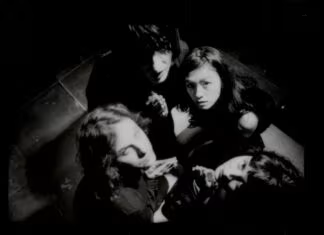
The accompanying 1980s-inspired visuals make sense within that framework. Synth-heavy production already gives the record a retro electronic undercurrent, while Kash’s longstanding interest in cinematic atmosphere lends itself naturally to a visual world where glamour and melancholy can occupy the same frame.
Yet beneath the aesthetic, ‘Salvation’ remains deeply concerned with connection. Kash has spoken about music’s ability to make her feel less alone, and that sentiment provides a useful key to the song. By turning a private breaking point into something listeners can collectively move to, she transforms isolation into a shared experience.
That may be where the dancefloor matters most. Dance music has always possessed the peculiar ability to hold sadness without surrendering to it. ‘Salvation’ taps into that tradition, allowing difficult emotions to remain present while giving the body permission to do something other than collapse beneath them.
‘Salvation’ finds Michelle Kash at the point between breaking down and deciding to keep going. Sleek, nocturnal and quietly hopeful, it turns a deeply personal low into something unexpectedly liberating. Kash doesn’t offer easy answers or pretend the darkness has disappeared. She simply keeps moving until, somewhere beneath the synths, the possibility of a way out begins to feel real.